
Table of Contents
Introduction
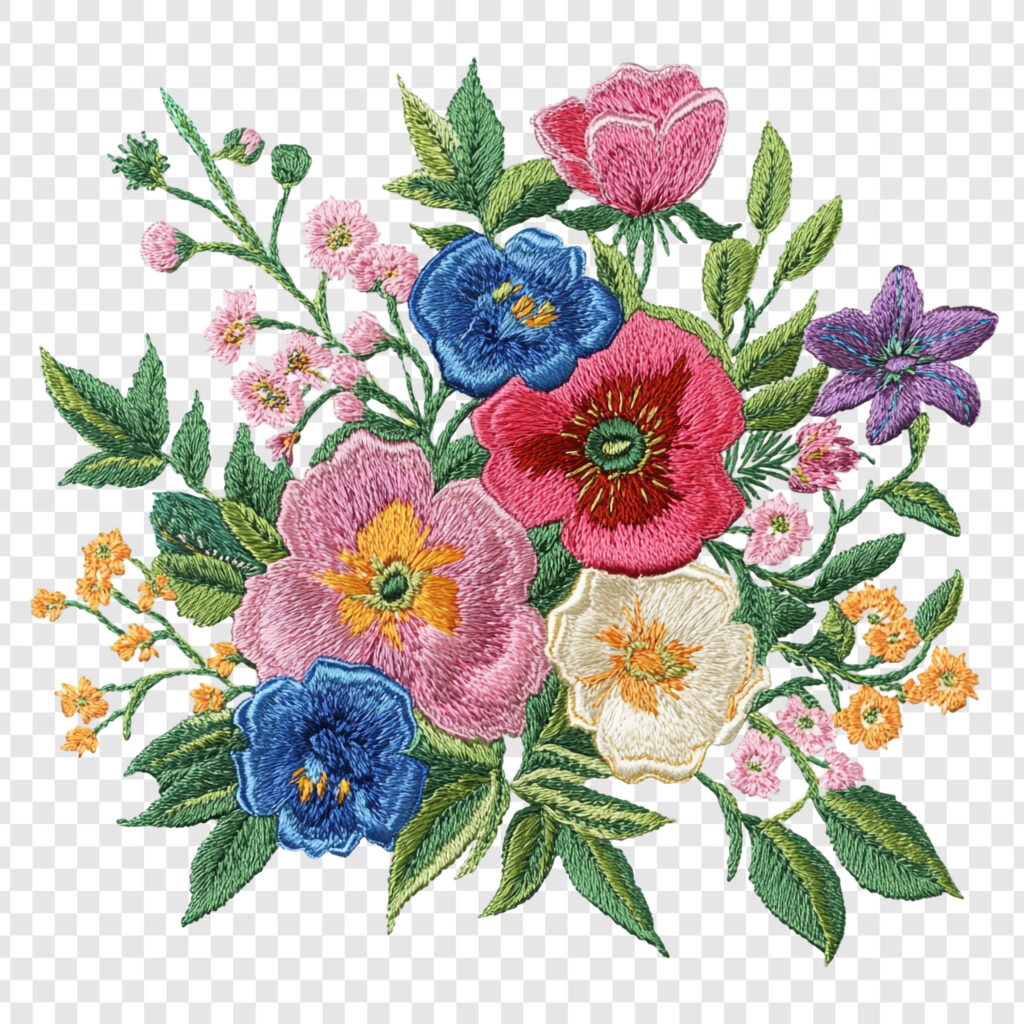
The secret to clean, sharp embroidery lies not in threads or machines alone, but in accurate digitizing.
As noted in Wikipedia’s embroidery overview, digitizing is the process of converting artwork into stitch-ready files.
Without this crucial step, even advanced machines cannot deliver professional clarity.
That’s why businesses, nonprofits, and individuals trust Quality Digitizing to provide precise embroidery files that ensure consistent, polished results.
Why Digitizing Matters for Sharp Embroidery
Digitizing serves as the blueprint of embroidery. A poorly prepared file leads to uneven density, jagged edges, and distorted designs.
According to Textile World, stitch planning and fabric behavior play a vital role in how embroidery appears.
Quality digitizing ensures clean outlines, balanced density, and sharp edges across all fabrics.
Key Factors That Influence Clarity
1. Stitch Density
Balanced density prevents thread crowding and ensures smooth surfaces without gaps.
2. Underlay
Proper underlay stabilizes fabric, prevents distortion, and makes designs more defined.
3. Pull Compensation
Embroidery stretches fabric during stitching. Compensation helps maintain correct proportions.
4. Stitch Type Selection
Choosing satin, fill, or run stitches for the right elements improves overall clarity.
Digitizing Techniques for Clean Results
- Redrawing artwork to ensure crisp outlines
- Assigning stitch types suited for small text and large areas
- Layering threads to maintain shading and depth
- Testing designs to minimize thread breaks and errors
These methods guarantee that embroidery looks as professional as the original artwork.
Benefits of Quality Digitizing
- Clean edges and polished embroidery
- Consistency across garments and fabrics
- Less production downtime and waste
- Durable embroidery that lasts longer
- Enhanced customer satisfaction
Case Studies of Clean Embroidery
Case Study 1: Business Uniforms
A company’s polo shirts initially had blurry logos due to poor files. With Quality Digitizing, the updated design stitched sharp and professional, elevating their brand.
Case Study 2: Nonprofit Merchandise
A nonprofit needed embroidery for fundraising apparel. By using quality digitizing, they achieved crisp embroidery that impressed donors and boosted visibility.
Additional Tips for Better Results
While digitizing is the foundation, fabric and machine care also influence outcomes. Thin materials require stronger underlay, while thick fabrics need adjusted stitch density.
Machine needles should be sharp, and thread tension properly set. Combining these practices with professional digitizing ensures flawless embroidery.
How to Choose the Right Partner
Finding the secret to clean, sharp embroidery starts with selecting the right digitizing partner. Look for providers with proven expertise, quick turnaround, and revision support.
A reliable service understands fabric behavior and adapts techniques accordingly.
For affordable, precise results, Quality Digitizing is the trusted choice for businesses and organizations worldwide.
The Future of Embroidery Precision
Technology is making digitizing faster and more accessible, but skilled professionals will always be necessary for refining details.
The future promises even sharper and more consistent embroidery results, blending automation with human expertise.
Conclusion
The ultimate secret to clean, sharp embroidery is not equipment, but expert digitizing. With careful planning, balanced density, and smart stitch mapping, designs look crisp and professional every time.
Elevate your brand with Quality Digitizing—your partner in producing embroidery that is sharp, durable, and professional.