
Table of Contents
Introduction
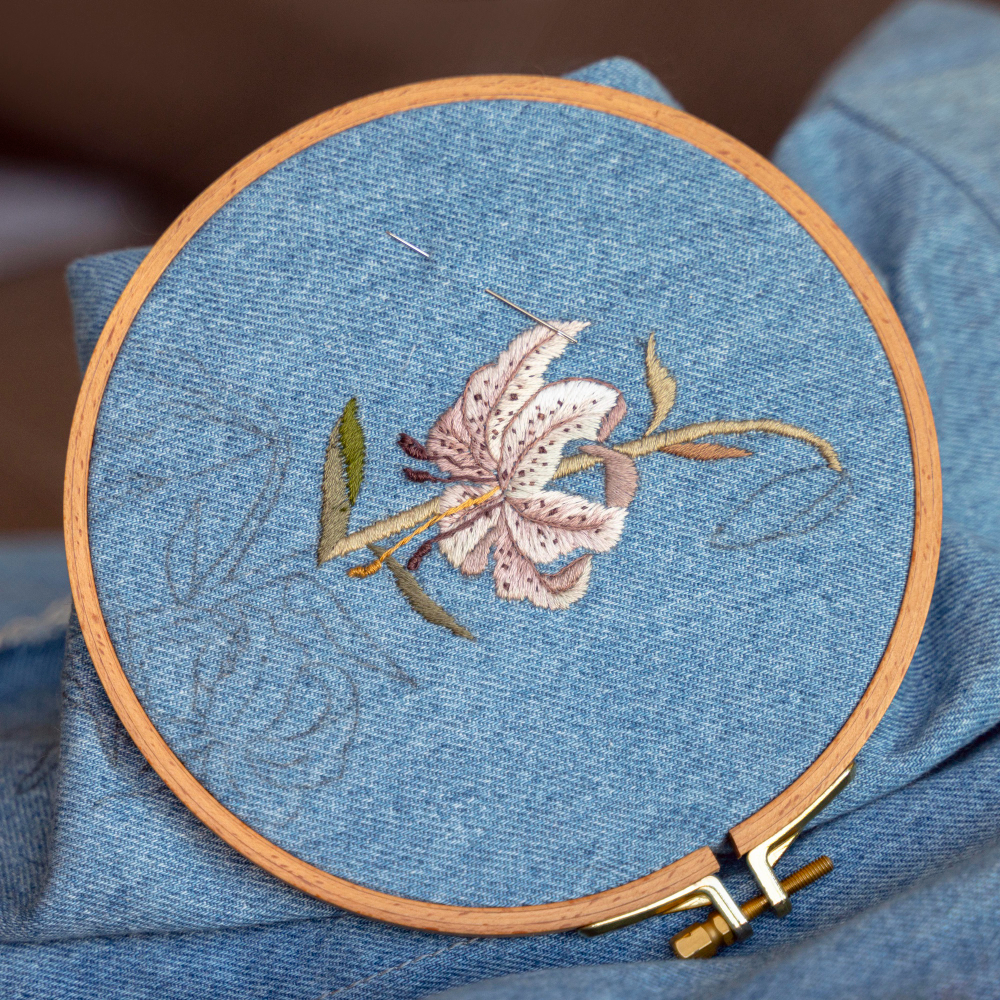
Embroidery is a timeless art that merges creativity with craftsmanship. However, to bring a design to life on fabric, it must first exist in a special digital format that machines can interpret. Converting hand-drawn logos into Embroidery Files allows your sketches, logos, and illustrations to be reproduced precisely using embroidery machines. Whether you are a small business, fashion designer, or promotional brand, converting your art into a stitch-ready format ensures professionalism and consistency in every stitch.
Why Convert Hand-Drawn Logos into Embroidery Files?
Unlike digital images, embroidery machines cannot process standard file types like JPEG or PNG. They require stitch-specific formats such as DST, PES, or EXP—these are known as Embroidery Files. These files store data about each stitch’s direction, density, and color, ensuring the final embroidered design looks sharp and durable.
Converting your hand-drawn logo into an embroidery file gives you the flexibility to use it on uniforms, caps, bags, and other apparel. Businesses use this technique to maintain a consistent brand identity across various materials. Expert services like Quality Digitizing provide professional conversion that accurately translates every detail from paper to thread.
Step-by-Step Process to Convert Hand-Drawn Logos into Embroidery Files
1. Scan or Photograph Your Artwork
Start with a high-resolution image of your design. Use a scanner (300 DPI or higher) or take a clear, well-lit photo. This ensures all lines and shades are captured clearly for digitizing.
2. Clean and Refine the Image
Before digitizing, clean your scanned artwork using photo editing software. Remove smudges, enhance contrast, and make sure all lines are distinct. A clean base ensures accuracy during embroidery digitizing.
3. Convert to Vector Format
Next, convert your image into vector format. Vector graphics are scalable without losing quality and are essential for defining clear stitch paths. Tools like Adobe Illustrator or CorelDRAW are perfect for vector preparation.
4. Import into Embroidery Digitizing Software
After vectorization, import your design into embroidery software such as Wilcom, Hatch, or Pulse. Each segment of the design is assigned stitch types (satin, fill, or run). This stage determines how your Embroidery Files will guide the machine to stitch your design.
5. Define Stitch Parameters
Every embroidery machine follows exact stitch settings. You must define stitch length, density, direction, and underlay. These details prevent thread breaks and ensure clean, professional results.
6. Test Stitch the Design
Before final production, always do a test stitch on similar fabric. Testing reveals if the stitches align correctly or if density adjustments are needed. This step ensures your Embroidery File runs perfectly on any machine.
Tools and Software Used in Embroidery Digitizing
Professional digitizing relies on modern software and precise tools. Some of the most popular options include:
- Wilcom Embroidery Studio
- Hatch Embroidery Software
- Tajima DG/ML Pulse
- Brother PE-Design
- CorelDRAW (for vector work)
To understand how these tools work with embroidery machines, you can check Wikipedia’s embroidery machine article, which explains how designs are read and stitched by automated systems.
At Quality Digitizing, professional software is used to produce optimized files compatible with nearly all embroidery machine brands, ensuring accuracy and efficiency.
Pro Tips for Perfect Embroidery Files
1. Simplify Your Design
Complex details in hand-drawn logos often don’t translate well in thread. Simplify small elements and avoid overly thin lines to keep the design crisp when stitched.
2. Choose the Right Stitch Type
Use satin stitches for borders, fill stitches for large areas, and running stitches for fine details. Choosing the right stitch type ensures proper coverage and reduces thread usage.
3. Match Fabric and Thread
Different fabrics behave differently under stitches. Adjust stitch density according to the fabric type to avoid puckering or stretching.
4. Test Stitch Every Time
Always perform a test run of your Embroidery Files to verify alignment and thread tension. Testing saves time and prevents production waste.
5. Use High-Quality Thread
High-quality thread enhances design appearance and durability. It also prevents frequent thread breaks during machine operation.
Benefits of Professional Digitizing
Professional digitizing offers multiple benefits that DIY methods can’t match. When experts create your Embroidery Files, you get:
- Accurate stitch sequencing
- Clean outlines and sharp finishes
- Reduced thread breaks
- Compatibility across embroidery machines
- Consistent results in bulk production
- Optimized file sizes for faster machine runs
To stay updated on embroidery and textile technology trends, explore Textile World Magazine, which regularly features innovations in machine embroidery and design software.
For guaranteed quality, Quality Digitizing provides experienced digitizers who ensure each stitch represents your original design perfectly.
Common Mistakes to Avoid
When converting hand-drawn logos into embroidery files, beginners often face challenges. Here are the most common mistakes:
- Using low-quality scans with poor contrast
- Ignoring fabric type during stitch planning
- Incorrect stitch density causing thread buildup
- Skipping the test stitch step
- Not simplifying overly detailed designs
Avoiding these mistakes ensures smoother production and a more professional outcome every time.
Get Expert Help from Quality Digitizing
Converting your hand-drawn designs into Embroidery Files requires technical skill and software knowledge. That’s where professionals at Quality Digitizing come in. Their experienced digitizers convert your sketches into precise, machine-readable embroidery formats that ensure perfection in every stitch.
They offer fast turnaround times, affordable pricing, and expert guidance for individuals, businesses, and embroidery shops. Whether you need a single logo or bulk file creation, Quality Digitizing guarantees flawless, ready-to-sew embroidery files every time.
Conclusion
Turning hand-drawn artwork into Embroidery Files bridges the gap between creativity and precision. With the right process, tools, and professional support, you can transform your sketches into stunning embroidered designs that stand out. By partnering with trusted experts like Quality Digitizing, you ensure accuracy, consistency, and craftsmanship in every stitch.
Investing in professional embroidery digitizing isn’t just about converting an image—it’s about creating a lasting impression through thread and texture.