
Table of Contents
- Introduction
- Understanding Logo Digitizing Mistakes
- Why Common Errors Happen in Digitizing
- Top Logo Digitizing Mistakes to Avoid
- Incorrect Stitch Density
- Poor Pathing and Stitch Direction
- Improper Underlay Usage
- Ignoring Fabric Type
- Unbalanced Pull Compensation
- Choosing Wrong Stitch Type
- Neglecting Text and Small Details
- Using Low-Quality Artwork
- Improper Color Sequencing
- Lack of Test Runs
- Tips to Ensure Digitizing Perfection
- Why Professional Digitizing Services Matter
- Conclusion
Introduction
When it comes to embroidery, avoiding logo digitizing mistakes can make the difference between a professional finish and a flawed result. Even the smallest error in stitch settings, underlay, or density can cause a logo to appear distorted or messy. Understanding these common issues helps both beginners and professionals achieve clean, crisp embroidery designs that truly represent the brand.
According to quality control in embroidery begins at the digitizing stage, where accuracy and fabric compatibility determine long-term results.
Understanding Logo Digitizing Mistakes
Logo digitizing mistakes usually occur during the process of converting artwork into a stitch file. A poorly digitized logo can lead to broken threads, uneven stitching, or a distorted design once embroidered. These problems often arise from ignoring key aspects like stitch type, pathing, underlay, and fabric behavior. Recognizing how these factors interact is essential to creating high-quality embroidery logos.
Why Common Errors Happen in Digitizing
Most logo digitizing mistakes happen because of a lack of technical knowledge or oversight. Digitizers who rely too heavily on automated software may overlook critical details such as pull compensation or proper stitch direction. Additionally, working without understanding the fabric type can cause the design to warp or stretch. Careful planning and testing are crucial to preventing these issues before production begins.
Top Logo Digitizing Mistakes to Avoid
Incorrect Stitch Density
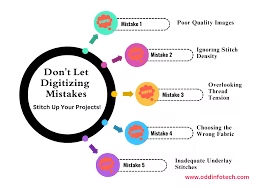
One of the most frequent logo digitizing mistakes is setting an improper stitch density. High density can cause thread breaks and puckering, while low density results in patchy designs. Always adjust density based on fabric and design complexity for the best results.
Poor Pathing and Stitch Direction
Poor stitch pathing is another major logo digitizing mistake. Improper pathing creates excessive trims, jumps, and machine stops, leading to inefficient production and untidy results. Plan the stitch order to minimize interruptions and ensure smooth flow.
Improper Underlay Usage
Failing to use the right underlay is a serious logo digitizing mistake. The underlay supports the top stitches and helps maintain design shape. Without it, the fabric may shift, causing outlines to misalign and the logo to lose its definition.
Ignoring Fabric Type
Each fabric reacts differently to stitching, and ignoring this is a classic logo digitizing mistake. For example, stretchy materials like knits need light densities and proper underlays, while woven fabrics can handle tighter stitches. Understanding fabric behavior is crucial to maintaining design accuracy. The Threads Magazine guide on fabric behavior provides excellent insight into how material structure affects stitch outcomes.
Unbalanced Pull Compensation
Pull compensation adjustments prevent distortion in embroidery designs. One of the common logo digitizing mistakes is failing to compensate for fabric pull, causing designs to appear narrower or stretched. Testing helps find the right balance for each material.
Choosing Wrong Stitch Type
Using the wrong stitch type is another frequent logo digitizing mistake. Satin stitches work well for letters and outlines, while fill stitches suit larger areas. Selecting the correct stitch type improves the logo’s texture and readability.
Neglecting Text and Small Details
Overly detailed text and designs often lead to logo digitizing mistakes. Small letters may become unreadable when stitched. Simplify small elements to maintain legibility without sacrificing the brand’s look.
Using Low-Quality Artwork
Starting with poor artwork is one of the earliest logo digitizing mistakes. Blurry or pixelated images make tracing difficult and reduce accuracy. Always begin with clean vector artwork for precise results.
Improper Color Sequencing
Out-of-order color sequencing is a common logo digitizing mistake that leads to overlapping threads and wasted time. Plan the color sequence logically — from background to foreground — for cleaner, faster production.
Lack of Test Runs
Skipping test runs is perhaps the most costly logo digitizing mistake. Without a test stitch-out, small issues can go unnoticed until full production, leading to wasted materials. Always run a test to verify density, tension, and alignment.
Tips to Ensure Digitizing Perfection
Here are some expert recommendations to help you eliminate logo digitizing mistakes and achieve consistent results:
- Always use high-resolution or vector artwork for precision.
- Analyze the fabric before setting stitch densities or underlays.
- Adjust pull compensation carefully to maintain logo proportions.
- Choose the right stitch type for each logo section.
- Plan efficient stitch pathing and logical color sequencing.
- Conduct test runs before bulk production to catch potential issues early.
Following these tips ensures your embroidery remains sharp, stable, and professional, eliminating the majority of logo digitizing mistakes.
Why Professional Digitizing Services Matter
Even experienced embroiderers sometimes face logo digitizing mistakes due to time constraints or software limitations. Professional digitizers possess the expertise to balance density, pathing, and underlay with precision. This not only enhances the design quality but also reduces production downtime and waste.
To ensure flawless results every time, it’s wise to partner with experts. You can get professional digitizing services here to eliminate logo digitizing mistakes and guarantee perfect embroidery output for every order.
Conclusion
Avoiding logo digitizing mistakes takes knowledge, patience, and practice. By understanding the factors that cause these issues and implementing the right digitizing techniques, you can produce embroidery logos that look clean, balanced, and professional. Whether you’re a beginner or a seasoned embroiderer, continuous testing and professional support from Quality Digitizing will help you maintain consistency and achieve top-notch results every time.
Tags: logo digitizing mistakes, embroidery digitizing, digitizing tips, embroidery quality, logo embroidery