

Table of Contents
- Introduction
- Common Causes of Refund Issues
- How to Prevent Refund Problems Before Ordering
- What to Check in a Digitizing Company’s Policy
- Best Practices During Project Execution
- Handling Revisions and Disputes Professionally
- When a Refund Is Appropriate — and When It Isn’t
- How Working with Trusted Providers Reduces Risk
- Conclusion
Introduction
Refund disputes can be stressful for both clients and digitizing companies. They often occur due to unclear communication, mismatched expectations, or poor-quality output. To protect your time and money, it’s essential to learn how to avoid refund issues with digitizing companies before problems arise.
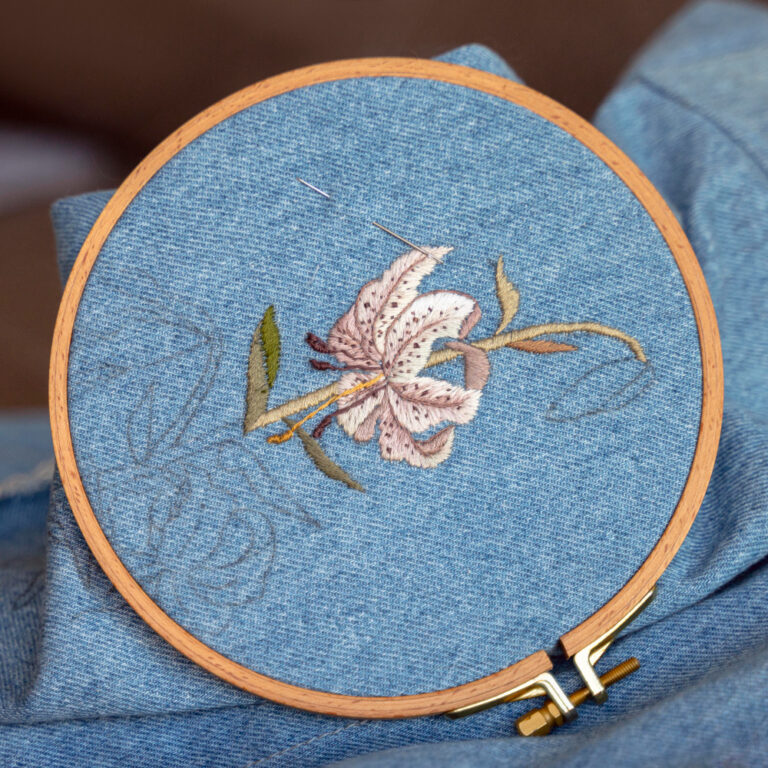
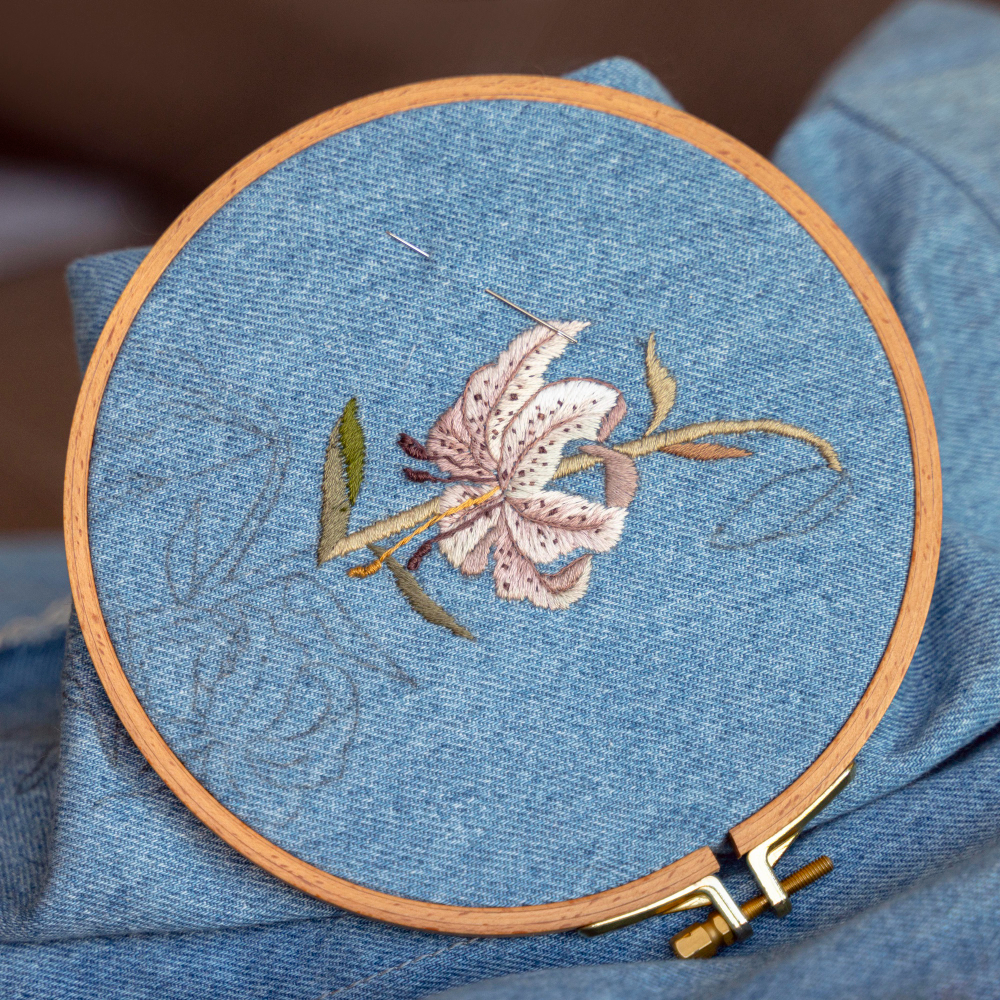
In this article, we’ll explore proven strategies that ensure smoother transactions and stronger relationships with embroidery digitizing providers. For reliable and transparent services that guarantee satisfaction, visit Quality Digitizing — a trusted name in professional embroidery digitizing. To better understand embroidery as a craft, you can also explore this overview on embroidery for more context.
Common Causes of Refund Issues
Most refund issues originate from unclear requirements or inconsistent communication. Clients may not specify details like thread type, color palette, or embroidery size, leading to results that don’t meet expectations. In other cases, digitizing companies might fail to meet delivery deadlines or produce files incompatible with the client’s embroidery machine.
Other common causes include:
- Ambiguous project instructions or missing artwork details
- Differences between preview files and actual stitch-outs
- Miscommunication about revision limits or correction policies
- Failure to test files on the correct fabric type
How to Prevent Refund Problems Before Ordering
Share Complete and Accurate Details
Always provide complete specifications when placing your order. Include artwork, required stitch count, preferred format, color codes, and any special requirements for backing or fabric type. Detailed information minimizes the chance of misinterpretation.
Request Proofs or Samples
Before final approval, ask for a sample stitch-out or digital preview. Reviewing a sample ensures that the digitizer’s output matches your design vision and reduces the likelihood of errors.
Set Clear Payment and Revision Terms
Make sure you agree on the number of revisions included in the price and under what conditions refunds will be considered. This helps establish fairness and prevents misunderstandings later.
What to Check in a Digitizing Company’s Policy
Understand the Refund Terms
A professional digitizing company provides a transparent refund policy. Check how they handle issues such as design incompatibility or missed deadlines. Knowing their policy ensures you can make an informed decision if a problem arises.
Quality Guarantee and Turnaround Time
Reputable companies back their work with a quality guarantee and a clear delivery timeline. Confirm both before paying to avoid delays and disputes. For consistent service quality and fair policies, explore Quality Digitizing — known for its accuracy and customer satisfaction.
Best Practices During Project Execution
Maintain Regular Communication
Keep open communication with your digitizing team. If you need changes, specify them clearly through email or written notes rather than verbal instructions. Documenting every revision protects both parties from confusion.
Review Each Delivery Carefully
After receiving your files, test them on sample fabric before full production. Early testing helps you spot potential issues and request corrections promptly, reducing the need for refunds.
Use the Same Provider for Similar Projects
Consistency is key in embroidery digitizing. Using the same company for repeat orders ensures design continuity, color accuracy, and fewer disputes.
Handling Revisions and Disputes Professionally
Even with careful planning, minor issues can still occur. Handle them professionally:
- Be specific about what needs correction and attach visual examples if possible.
- Keep your feedback focused on quality or technical issues rather than emotions.
- Give the digitizer time to respond before escalating the issue.
Professional communication can often resolve problems without needing a refund, saving both sides time and stress.
When a Refund Is Appropriate — and When It Isn’t
Refunds should be reserved for clear service failures, such as missed deadlines, major design errors, or incomplete files. However, subjective preferences like slight color variations or creative differences usually don’t qualify.
Always check whether the issue violates agreed terms. If it does, politely present your documentation when requesting a refund. Being factual and calm improves your chances of a fair outcome.
How Working with Trusted Providers Reduces Risk
Choosing an experienced and reputable digitizing company dramatically reduces refund risks. Companies with strict quality control processes, reliable communication, and skilled digitizers ensure that your files are accurate and consistent.
For professional digitizing services that prioritize accuracy, timely delivery, and transparency, visit Quality Digitizing — your trusted partner in embroidery design excellence.
Conclusion
Refund issues can disrupt workflow and harm business relationships. The best way to prevent them is to be proactive: clarify project details, review proofs, document all communication, and choose reliable digitizing partners. These habits help ensure smooth transactions, happy clients, and consistent embroidery results.
When you’re ready to work with a dependable embroidery digitizing provider that values transparency and quality, visit Quality Digitizing today.
Tags: refund issues, embroidery digitizing, digitizing refund policy, quality assurance, customer satisfaction