
Table of Contents
Introduction
Small text embroidery is a fine art that demands accuracy and smart digitizing. When text is too tiny, the stitches tend to merge, blur, or even disappear. These problems usually arise from improper digitizing, unsuitable fonts, or poor material choice. The key to success lies in understanding the limitations of small text and compensating through proper embroidery digitizing techniques.
At Quality Digitizing, professionals emphasize that the right stitch type, density, and underlay make all the difference. This article explains the main problems with small text in embroidery and how you can fix them effectively.
Common Problems with Small Text in Embroidery
1. Blurred and Overlapping Letters
Small letters can easily overlap when stitch density is too high. This creates a heavy look and blurs the distinction between letters. Reducing density and spacing the text properly helps maintain readability.
2. Uneven Letter Shapes
Incorrect stitch direction or pull compensation can distort letters. As a result, small text may appear irregular or uneven. Adjusting stitch angles ensures consistent shapes across all letters.
3. Thread Breakage
Short stitches increase thread friction, which can lead to frequent breaks. Using the right thread weight and adjusting machine tension helps minimize this issue.
4. Poor Readability
When text size drops below 4 millimeters, it becomes nearly impossible to read, especially on textured fabrics. Always use simple fonts and avoid intricate details at small sizes.
Factors Affecting Small Text Embroidery
Several factors directly influence the quality of small text embroidery. Knowing how these factors interact can help prevent common issues before production.
Font Style
Complex or decorative fonts lose clarity when reduced in size. Simple sans-serif fonts, like Arial or Helvetica, offer clean lines that remain readable even at smaller scales.
Thread Type and Thickness
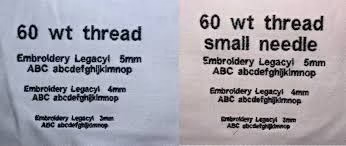
Standard 40-weight threads are too thick for very small lettering. Switching to 60- or 75-weight thread allows finer detail and improved definition.
Needle Size
Use a smaller needle, such as 65/9 or 70/10, to create smaller punctures and prevent distortion. The right needle helps preserve letter sharpness and prevents fraying.
Fabric Texture
Rough or stretchy fabrics can swallow small stitches. Always test small text embroidery on smooth, stable fabrics to achieve better clarity.
Digitizing Solutions for Small Text
Proper digitizing is the most critical step for successful small text embroidery. A professional digitizer adjusts stitch patterns, density, and angles for optimum legibility. Here are some proven techniques:
1. Use Run Stitches for Tiny Letters
Run stitches are ideal for small text because they create thin, precise lines. Satin stitches can look bulky when used on very small designs.
2. Reduce Stitch Density
Excessive density leads to overlapping threads. Lowering the density ensures smoother stitching and improved clarity.
3. Adjust Underlay and Compensation
Proper underlay supports the top stitches and prevents sinking into the fabric. Pull compensation must be adjusted to keep letter width consistent.
4. Optimize Stitch Direction
Each letter should follow a logical stitch path. Consistent direction minimizes distortion and maintains text shape.
5. Get Professional Digitizing Help
If you struggle with small text embroidery, it’s best to work with experts. The skilled digitizers at Quality Digitizing ensure that every letter is sharp, readable, and production-ready.
Fabric and Material Considerations
The choice of fabric significantly affects embroidery quality. For small text, select tightly woven, stable materials like cotton twill or canvas. When working with delicate or stretchy fabrics, always use the right stabilizer to support your stitches and prevent puckering.
Testing on a sample piece of the same fabric helps you verify letter clarity before full-scale production. Small adjustments to tension or density after testing can make a big difference in final results.
Machine Settings for Small Text
Machine calibration is vital for achieving precise small text embroidery. Consider the following tips:
Reduce Stitching Speed
Slower speeds reduce vibration and needle deflection, resulting in better accuracy. This allows each stitch to form cleanly.
Adjust Thread Tension
Proper tension avoids thread looping or breaking. Run test stitches to balance upper and lower thread tension before production.
Use Proper Hooping
Tightly hoop the fabric without stretching it. Loose hooping can lead to misalignment and distorted lettering.
Testing Before Final Stitching
Testing is an essential step in embroidery production. Always test small text designs before the final run to ensure optimal density, clarity, and spacing. Even a small change in underlay or thread type can dramatically improve results.
Professionals at Quality Digitizing recommend performing at least one sample test to eliminate guesswork and ensure perfect embroidery outcomes.
Professional Help and Expert Services
Small text embroidery requires skill, precision, and the right digitizing tools. If you find your designs still unreadable after multiple attempts, consider outsourcing the digitizing process.
At Quality Digitizing, professional digitizers specialize in converting text and logos into flawless embroidery-ready files. Their team ensures your designs meet production standards, maintaining both visual appeal and legibility.
Additional Resources
To learn more about the history and fundamentals of embroidery, you can visit
Wikipedia’s Embroidery Overview.
For expert digitizing services, visit
Quality Digitizing and ensure every stitch is crafted to perfection.
Conclusion
Small text embroidery is challenging but achievable with the right techniques. By understanding stitch density, thread type, fabric behavior, and proper digitizing, you can create clean and readable results. Always test before production and make necessary adjustments for clarity and precision.
For consistent, high-quality results, rely on the professionals at Quality Digitizing. Their expertise ensures your smallest designs stand out beautifully, every time.