
Table of Contents
Introduction
Vector to Embroidery Conversion Pricing is a key factor for anyone seeking professional embroidery services for logos, designs, and artwork. Understanding how pricing works helps organizations, businesses, and individuals budget effectively while ensuring high-quality, accurate results.
Professional services such as Quality Digitizing provide precise digitizing for embroidery, taking into account design complexity, stitch count, size, and other cost factors.
For reliable guidance on embroidery machines and technology, authoritative sources like Brother International showcase professional-grade machines used in digitized embroidery worldwide.
What is Vector to Embroidery Conversion?
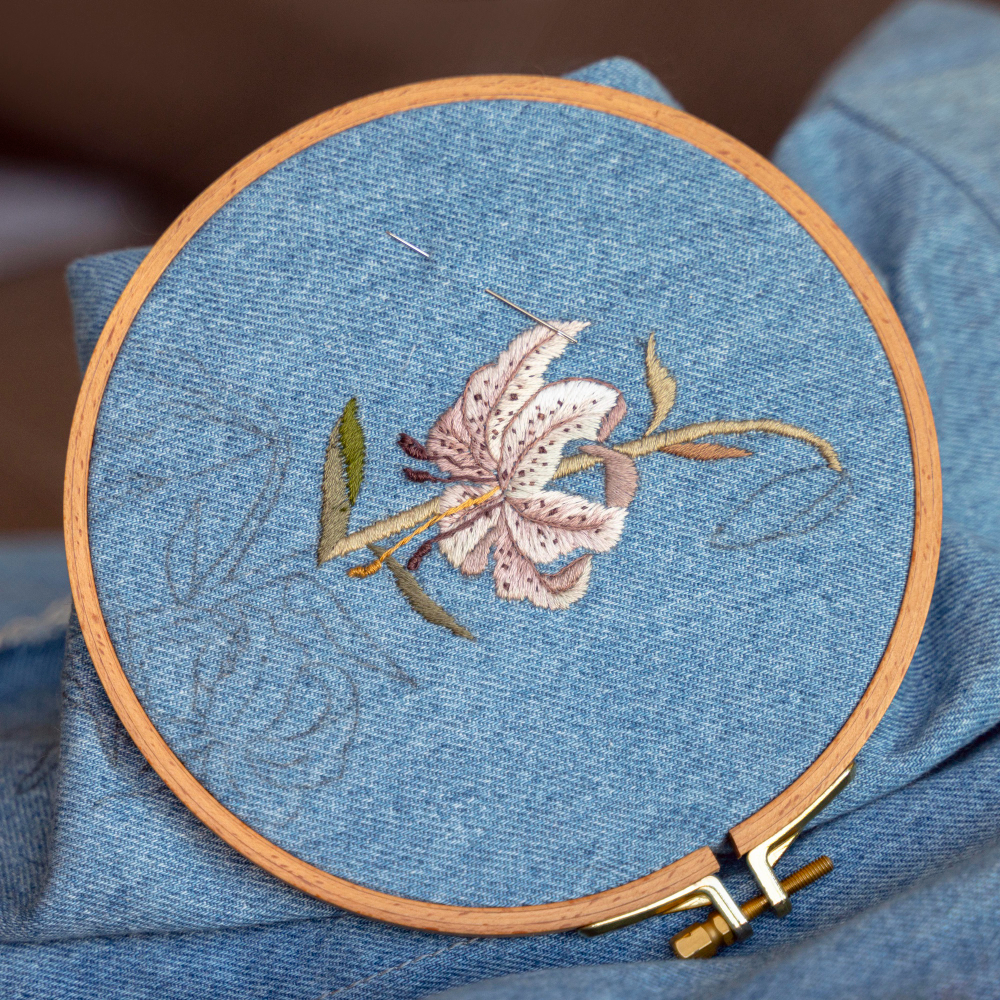
Vector to embroidery conversion is the process of transforming a digital vector file—such as AI, EPS, SVG, or PDF—into a digitized embroidery file compatible with embroidery machines. This ensures that each line, curve, and color is accurately translated into stitches.
Embroidery machines cannot interpret standard vector graphics directly; they require digitized files that define stitch type, direction, density, and thread colors. Without proper conversion, designs may appear distorted or lose detail when embroidered.
For expert tips on creating professional embroidery-ready files, authoritative resources such as EmbroideryDesigns.com provide comprehensive tutorials and guidance.
Factors Affecting Pricing
Several factors determine vector to embroidery conversion pricing. Understanding these helps in budgeting effectively.
1. Design Complexity
Simple logos with minimal elements and colors cost less than intricate designs with multiple layers, gradients, or detailed patterns. Each added stitch or layer increases production time and cost.
2. Size of the Design
Larger designs require more stitches and thread, raising labor and material costs. Even slight increases in size can affect pricing depending on stitch density.
3. Stitch Count
The total number of stitches directly influences cost. High stitch counts require more digitizing time and thread for embroidery. Many digitizing providers charge based on stitch count brackets.
4. Number of Colors
Each thread color may require machine setup or additional thread changes during embroidery. More colors typically increase cost due to the added complexity.
5. Fabric Type
Some fabrics, such as fleece, denim, or stretch materials, are harder to embroider and may require specialized techniques, increasing pricing.
6. File Formats and Usage
Professional digitizing often includes multiple embroidery-ready formats (DST, PES, JEF, EXP). Requiring multiple formats for different machines or applications can impact cost.
7. Turnaround Time
Rush or expedited services usually cost more. Standard digitizing typically takes a few business days.
8. Revisions
Some providers include limited revisions in the cost. Extensive revisions or design changes after approval may result in additional charges.
Common Pricing Models
Digitizing providers use several pricing models, depending on complexity and client needs:
1. Flat Rate Pricing
A fixed price per design, suitable for simple logos with few colors and low stitch counts.
2. Per-Stitch Pricing
Pricing based on total stitches. This reflects the design complexity accurately and is widely used.
3. Per-Color Pricing
Some providers charge based on thread colors. Each additional color adds to machine setup and production time.
4. Combination Pricing
A mix of per-stitch, per-color, and flat fees, often including revisions and multiple file formats. Transparent and commonly used by professional digitizing companies.
Examples of Pricing
Typical vector to embroidery conversion costs:
- Small logo (up to 2,500 stitches, 2 colors): $15–$25
- Medium logo (2,500–10,000 stitches, 3–5 colors): $30–$60
- Large/complex logo (10,000+ stitches, multiple colors): $75–$150+
Prices vary by provider and may include one or more file formats. Professional services like Quality Digitizing provide transparent quotes and high-quality digitized files for all types of designs.
Tips to Reduce Costs
- Simplify Designs: Reduce unnecessary details and colors.
- Limit Size: Smaller embroidery areas reduce stitch count and costs.
- Plan Ahead: Avoid rush orders to save on expedited fees.
- Choose Standard Fabrics: Easier fabrics like cotton or polyester reduce production challenges.
- Bundle Designs: Digitize multiple logos together to reduce per-design costs.
Choosing Professional Services
Consider these points when selecting a digitizing provider:
- Experience with vector to embroidery conversion.
- Capability to handle complex logos accurately.
- Delivery of multiple embroidery-ready file formats.
- Transparent pricing and included revisions.
Quality Digitizing specializes in professional vector to embroidery conversion with clear pricing, high-quality digitized files, and reliable customer support, ensuring your embroidery projects are flawless.
FAQs about Vector to Embroidery Conversion Pricing
Q1: How much does digitizing a logo cost?
Costs range from $15 to $150+, depending on size, stitch count, colors, and complexity.
Q2: Does turnaround time affect pricing?
Yes, rush or expedited services usually have higher fees.
Q3: How many file formats are included?
Most professional services provide multiple formats for machine compatibility.
Q4: Can revisions increase the price?
Yes, revisions beyond the standard allowance may incur extra charges.
Conclusion
Vector to Embroidery Conversion Pricing depends on multiple factors such as design complexity, stitch count, colors, size, and turnaround time. Understanding these factors allows for accurate budgeting and ensures professional-quality results.
Partnering with professional services like Quality Digitizing guarantees precise, high-quality digitized files with transparent pricing and reliable support for all your embroidery projects.