

Table of Contents
- Introduction
- Why You Must Get Digitizing Done Right
- Selecting the Right Digitizing Partner
- Preparing Artwork for Embroidery
- Design Optimization
- Stitch Types, Direction & Flow
- Stitch Density, Underlay & Fabric Considerations
- File Formats and Machine Compatibility
- Test Sew-Outs
- Communicating Revisions Clearly
- Common Mistakes to Avoid
- Benefits of Getting Digitizing Done Right
- Conclusion
Introduction
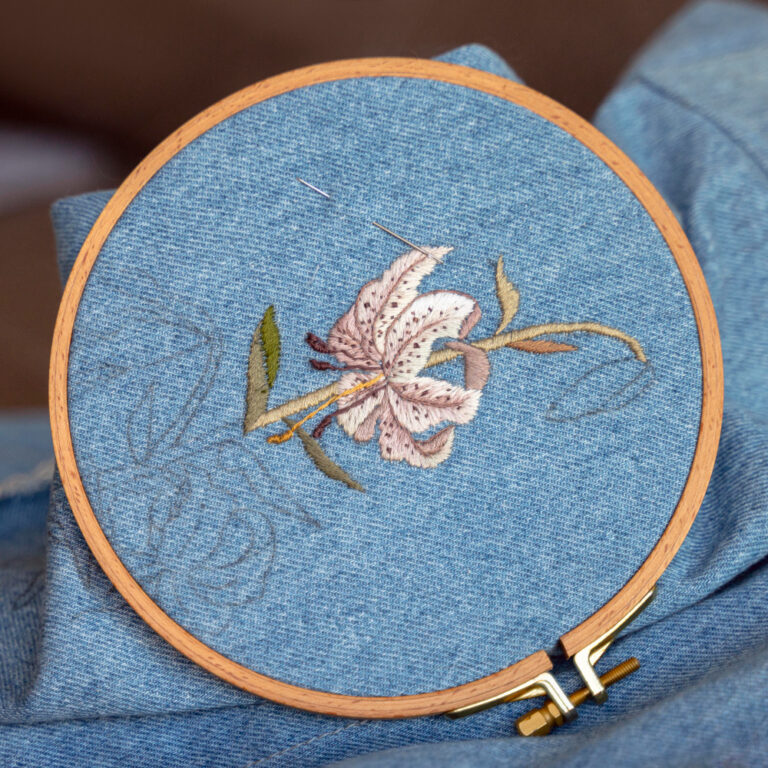
Embroidery digitizing is both an art and a technical process that transforms artwork into machine-readable stitches. To get digitizing done right, every stage — from design preparation to testing — must be carefully executed. A good understanding of embroidery principles can help improve the quality of your designs. You can learn more about the history and technology of embroidery for deeper context.
Working with experienced professionals like Quality Digitizing ensures that your stitch files are optimized for smooth production, reducing revisions and waste.
Why You Must Get Digitizing Done Right
Incorrect digitizing leads to problems such as thread breaks, distortion, and inconsistent textures. Proper digitizing eliminates these risks and ensures clean results. The benefits include reduced rework, better quality control, and faster production times — all critical for maintaining brand consistency and client satisfaction.
Selecting the Right Digitizing Partner
Choosing the right partner determines the success of your embroidery production. Look for professionals who have experience with various fabric types, design complexities, and machine formats. Reliable digitizing providers like Quality Digitizing offer expert file setup, fast turnaround, and consistent quality control.
Preparing Artwork for Embroidery
Clean and properly formatted artwork is the foundation of any good digitizing job. Always send vector files whenever possible and include clear notes on color, dimensions, and stitch style. This helps your digitizer understand your exact requirements without misinterpretation.
Design Optimization
To achieve optimal results, simplify your design while keeping its core visual identity intact. Remove fine lines, thin text, and gradient fills that may not stitch well. Balanced spacing and smooth outlines ensure readability and a professional finish.
Stitch Types, Direction & Flow
Every embroidery design uses specific stitch types to achieve depth and texture. Satin stitches create clean edges and shine, while fill stitches add coverage and durability. Stitch direction should follow the natural flow of the artwork to prevent fabric distortion and ensure a polished outcome.
Stitch Density, Underlay & Fabric Considerations
Understanding stitch density and underlay is key to stability and fabric compatibility. The right balance prevents puckering and thread breaks. A knowledgeable digitizer adjusts these factors according to the fabric type — whether it’s cotton, denim, or stretch material — for the best results.
File Formats and Machine Compatibility
Different machines require specific file types (DST, PES, EXP, JEF, etc.). Using the wrong format may lead to misreads or skipped stitches. Professionals from Quality Digitizing ensure your files are provided in the exact format needed for your machine, eliminating compatibility issues.
Test Sew-Outs
Always run a test sew-out before full production. This allows you to check alignment, tension, and color transitions. Small adjustments at this stage can save costly rework later. Testing is an essential quality assurance step to confirm your digitized file’s performance on fabric.
Communicating Revisions Clearly
When requesting changes, clarity is key. Provide visual references or mark-up notes to show exactly where adjustments are needed. Clear communication speeds up revisions and helps maintain accuracy throughout production.
Common Mistakes to Avoid
- Submitting low-quality or incomplete artwork
- Ignoring fabric type and stitch density
- Skipping test sew-outs before production
- Failing to specify thread colors and placement
- Using non-professional digitizing software or auto tools
Benefits of Getting Digitizing Done Right
Professional digitizing guarantees smoother production, fewer errors, and consistent results. With optimized stitch density and correct underlay, you reduce downtime and improve embroidery durability. Partnering with Quality Digitizing helps you streamline this process, ensuring each file is perfect the first time.
Conclusion
To get digitizing done right, focus on clear artwork, expert collaboration, and thorough testing. These steps ensure top-tier embroidery quality that matches your design vision. Invest in professional digitizing today — your machines, clients, and brand will thank you for it.
Work with trusted experts at Quality Digitizing to achieve precision, speed, and quality that meet modern embroidery standards.